Dispatches from Birmingham: why engaging with the Conservatives still matters
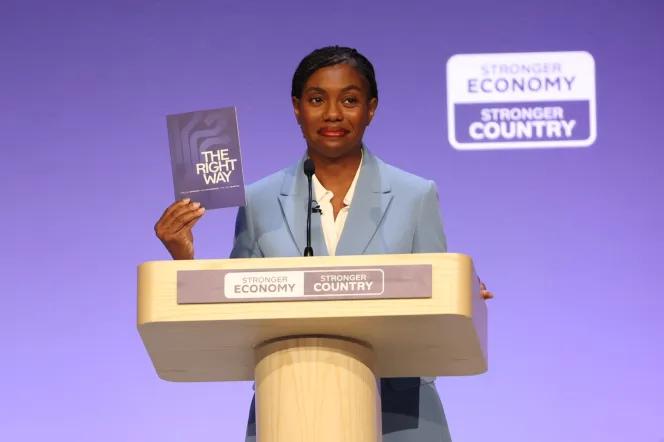
Conservative Leader, Kemi Badenoch ended the 2027 Conservative Party Conference with an unusual comparison of Conservatives to Marks & Spencer. Our team analyses why it matters to businesses deciding where to invest their political engagement.
Kemi Badenoch ended Conservative Party Conference with an unusual comparison. The Conservative Party, she argued, is a little like Marks & Spencer: a historic British brand that had lost its way, changed its offer, and is now becoming fashionable again"
It was a neat summary of where the party finds itself. The Conservatives remain well short of where they need to be electorally. The latest YouGov polling for The Times puts Labour on 27 per cent, Reform on 22 per cent and the Conservatives on 20 per cent. But after a bruising period in which Reform appeared capable of displacing them as the main party of the right, Birmingham felt less like a party accepting decline and more like one beginning to believe there may be a route back.
That matters for businesses deciding where to invest their political engagement.
A clearer Conservative offer
The most important change at this conference was not any single policy announcement. It was the attempt to construct a clearer argument about what a future Conservative government would do differently.
Badenoch’s The Right Way, deliberately modelled on the party’s 1976 The Right Approach, argues for a smaller, more disciplined state, lower taxation, personal responsibility and a renewed focus on delivery. Around that framework came a series of more tangible commitments.
The Conservatives backed a third runway at Heathrow and promised to strip back planning and environmental regulation they believe is holding up housing and infrastructure. Shadow Chancellor Andrew Griffith pledged to scrap at least one tax at every Budget, while the party reiterated its commitment to abolishing stamp duty on primary homes. Badenoch used her closing speech to promise inheritance tax reform and to halve employers’ National Insurance for workers aged 21 to 24, responding directly to the growing concern about young people outside education, employment or training.
The message was deliberately pro-growth and pro-business: Britain needs to build more, tax less and make it easier to employ, invest and expand.
There was also a political argument running through the conference. Badenoch pointed to campaigns on jury trials, mobile phones in schools and the taxation of family farms as examples of the Conservatives shifting the terms of debate from opposition. She also celebrated Douglas Lumsden’s Aberdeen South by-election victory – the party’s first Scottish by-election gain in nearly 60 years – as evidence that a focused campaign on jobs, energy and local economic interests can still cut through.
It was a demonstration of how effective HM Opposition can be in shifting the government’s position with specific policy campaigns to appeal to powerful stakeholder groups.
The opposition landscape is moving
The wider political environment is unusually fluid and likely to shift again in the coming months.
Reform, which for much of the past year appeared to have captured the momentum on the right, is now dealing with damaging questions about party funding. The Metropolitan Police is investigating allegations concerning potential overseas donations, while Nigel Farage is separately under scrutiny from the Parliamentary Commissioner for Standards over a £5 million gift. The Conservatives clearly believe this creates an opportunity to draw a contrast between protest and preparedness for government.
At the same time, Andy Burnham’s arrival in Downing Street has revived Labour. His first conference as Prime Minister has helped rebuild support, but the difficult decisions now begin.
The first major test will be Chancellor John Healey’s Budget on 28 October. With limited fiscal headroom, pressure for help with energy bills and living costs, and questions over how Burnham’s ambitions on public services and regional investment will be paid for, the Budget will start putting numbers against the new government’s political offer.
Then there is the persistent question of an early election. Burnham has explicitly ruled out going to the country before 2029, and that should be taken seriously. But speculation has persisted because Britain now has a new Prime Minister pursuing an agenda that goes significantly beyond the platform on which Labour was elected in 2024. With the party system increasingly volatile, businesses would be unwise to treat the current parliamentary timetable as the only scenario worth preparing for.
Why engagement matters now
For organisations looking at Westminster, the conclusion from Birmingham is straightforward: the Conservatives do matter.
They remain the Official Opposition, they are influencing the policy debate, and they are beginning the process of turning broad Conservative principles into a programme for government. There is also the London Mayoralty, with Conservative frontrunner Sir James Cleverly seeking the nomination to win back City Hall.
Now is the time in which engagement can be most valuable. Waiting until a manifesto is written is too late. Businesses that can demonstrate where regulation is blocking investment, where taxes are changing commercial decisions, or where infrastructure is being held back have an opportunity now to help shape the detail behind the party’s emerging growth agenda.
Badenoch’s M&S analogy contained an important qualification: people may be looking through the shop window, but not enough are buying yet.
And yet the coming months – Burnham’s Budget, Reform’s difficulties and greater familiarity over what Badenoch’s Conservatives stand for – could yet see a major shift in the polls.
For businesses, the sensible approach is not to try and predict the winner. It is to make sure they are understood by all those who could shape what comes next.
By Joe Tetlow, Associate Director
Image credit: Times PHOTOGRAPHER RICHARD POHLE