
A new direction for Labour: Engaging with a Burnham government
Labour's conference in Liverpool offered the clearest signal yet of the new government's direction. For businesses, the message was simple: show how you deliver public value, drive local growth, and support Britain's industrial future.
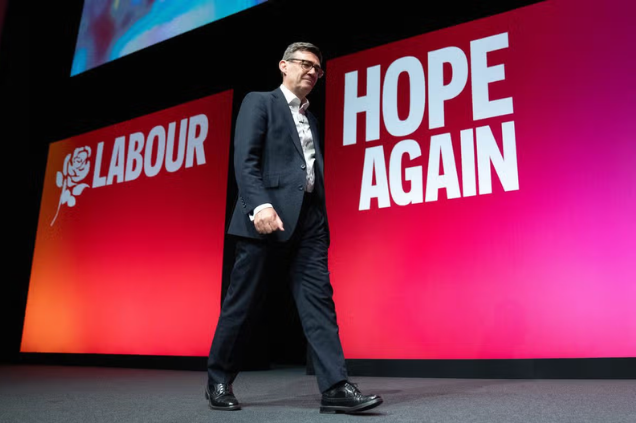
Labour Party Conference in Liverpool this week was a sharp contrast with last year’s event.
Where last year had been the scene of an internal party psychodrama around the party leadership, this year the mood among members was more upbeat, with the change in leadership bringing renewed optimism.
And that optimism and energy certainly continued during Prime Minister Andy Burnham’s first speech to conference as leader.
For those of us looking on, searching for clues and direction for how best to engage with the new government, it also proved to be very useful. For businesses, it offered three clear themes to build engagement around: public benefit; local impact; reindustrialisation
Let’s take a look at each in turn.
Public benefit will strengthen the business case
Burnham’s emphasis on the common good and rebuilding a common wealth provides a clear indication of the case businesses will need to make to this government. By putting affordability and security at the centre of reform, he has sought to reconnect Labour’s economic agenda with people who feel the system no longer works in their interests.
Investment, innovation and productivity remain important, but their value to policymakers lies in the outcomes they deliver, whether that is more affordable services, better employment opportunities or infrastructure that supports a community’s future.
Making the public benefit of both your offer and your ask clear is therefore critical. Evidence showing how a policy change would improve a service or reduce costs gives policymakers a reason to act and a basis for explaining their decision to the public.
The economic case still matters, but on its own it will increasingly be insufficient; businesses also need to demonstrate the public dividend.
Local impact creates new routes to influence
Who you need to influence is changing, and what you need to show them is changing too.
Burnham’s emphasis on devolution was no surprise. His experience in Greater Manchester informs his argument that local leaders are better placed to address the conditions holding back growth. Transferring power is part of how he intends to make government more responsive to people and places.
For businesses, this changes both the audience for engagement and the evidence that will matter. Employment, suppliers and investment show what their national contribution means in a particular place, connecting their story to the government’s ambition for “growth in every postcode”.
As power moves out of Westminster, effective engagement will require a sustained national programme alongside stronger local and regional relationships. Ministers and officials remain critical audiences, but mayors and other local leaders will have greater influence over decisions affecting businesses’ operations and growth. A clear account of local impact gives those stakeholders a reason to engage and support the business’s ambitions.
Delivering Britain’s industrial future
Burnham’s ambitions to reindustrialise the regions and change procurement to back British businesses signal a government seeking a more active role in shaping industrial growth.
Businesses investing in the UK through domestic supply chains, technology development or manufacturing can connect their plans directly to the government’s industrial ambitions. Showing the capabilities, expertise and opportunities for other UK firms that would follow makes the wider value of supporting that growth clear.
But you shouldn’t just demonstrate that you fit the Government's ambition; you also need to show what Government needs to change to unlock more of it. Procurement rules, for example, can restrict adoption of technologies that support its priorities. Businesses that demonstrate those barriers and the benefits of addressing them can help translate industrial ambition into workable reform.
Keeping the focus on delivery
Conference has given Labour renewed confidence in its direction. The Budget and ‘ten-year plan’ will begin to show whether that confidence is matched by decisions that enable change.
Businesses that can demonstrate a clear public benefit, make their local impact tangible, and show how practical policy changes can unlock investment and delivery, will be best placed to make their case.
Holly Johal, Senior Account Director
Image: Stefan Rousseau/Manchester Evening News